

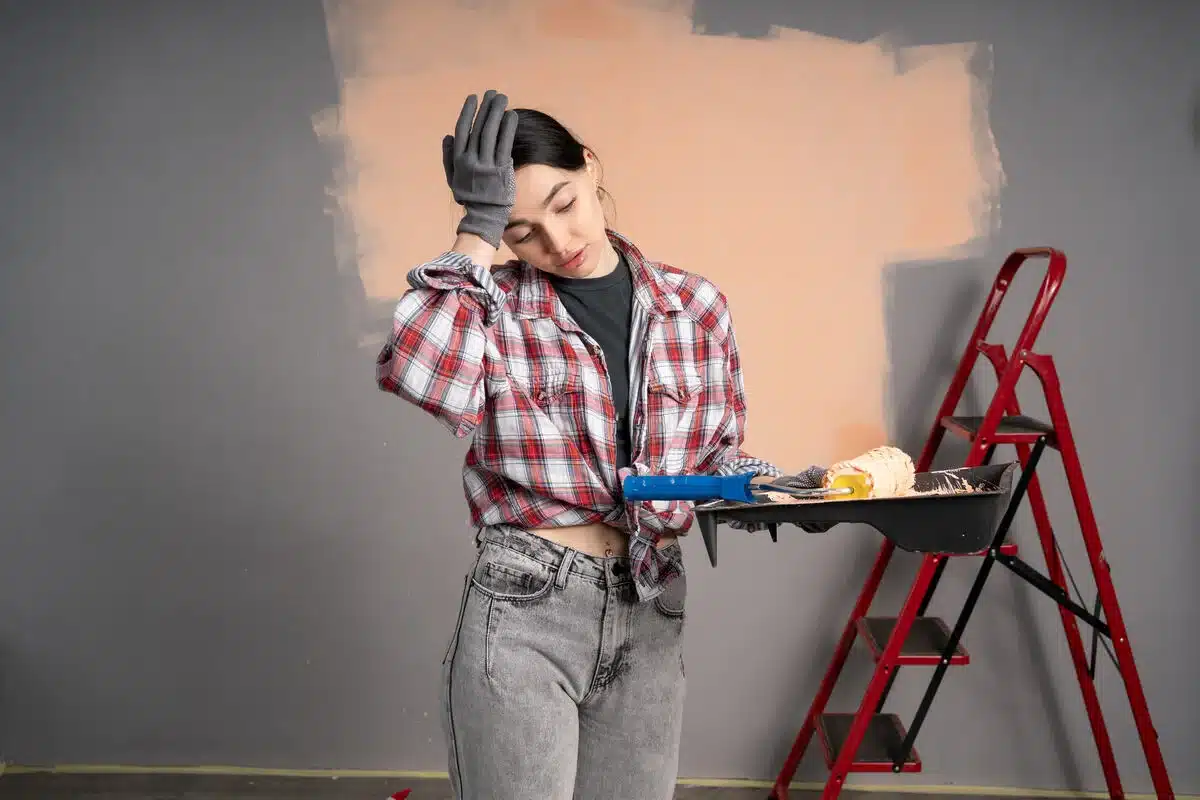
If you’re someone who has ever picked up a brush, this guide is definitely for you. I remember painting a wall once, and at first, everything looked great. The color looked smooth, the finish seemed perfect, and I honestly felt proud of myself. But after some time, the paint started to peel, and that’s when I realized something had gone wrong. I had no idea what it was, so I did what anyone would do; I started digging for answers. That’s when I discovered how many common painting mistakes people make without even knowing it. And trust me, I have made more than one of them.
This guide will walk you through those mistakes, how to avoid them, and how to fix them if they’ve already happened. Let’s make your next paint job smoother, easier, and way more satisfying.
Skipping Surface Prep Before Painting
Credit: hemlockpainting.com
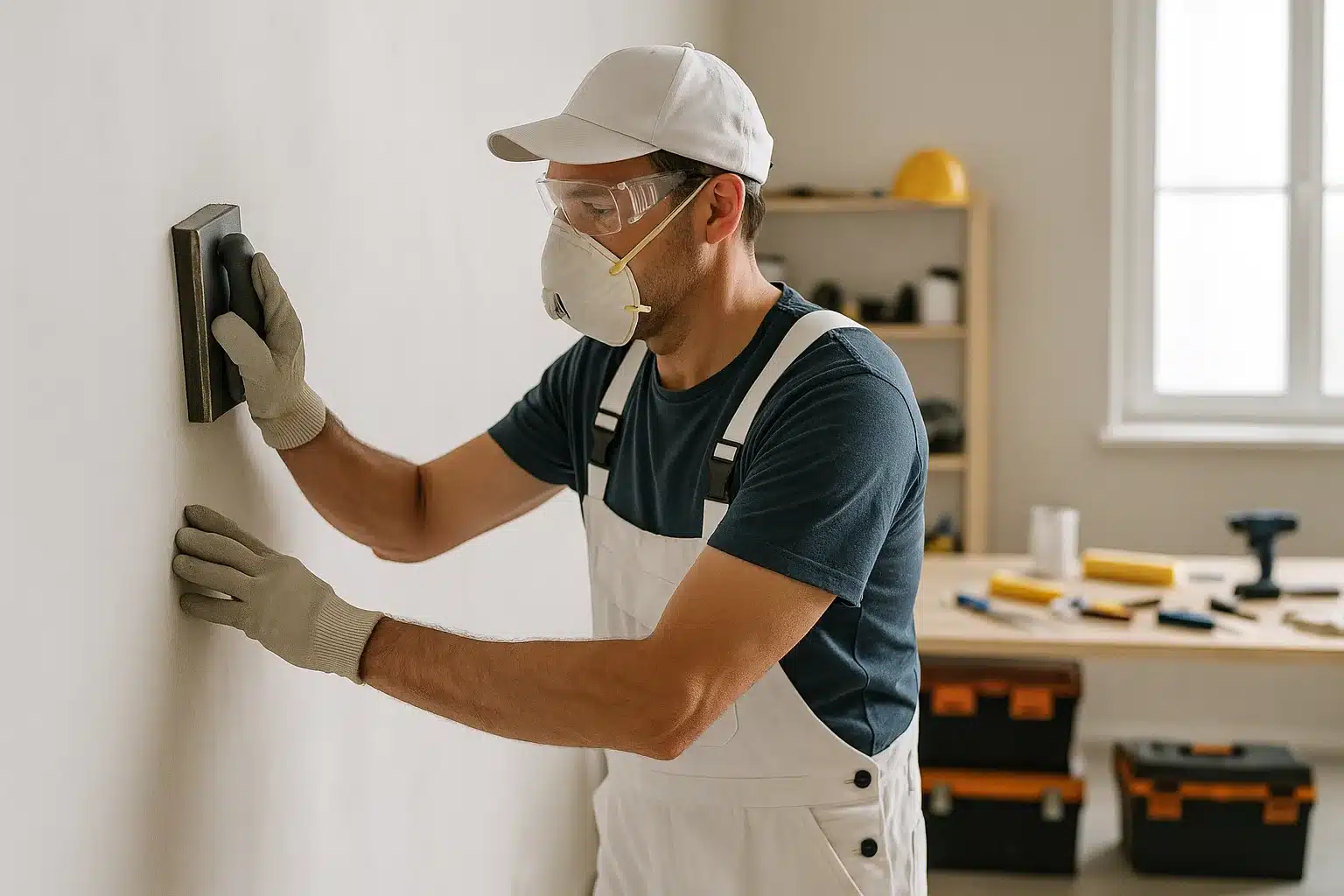
One of the most overlooked steps involves skipping proper prep work. Even when the wall looks clean, small layers of dust or grease can stop the paint from bonding correctly. This usually leads to peeling paint or uneven coverage.
This mistake happens because people rush into painting and assume the surface is ready. But prep matters more than most people realize because a clean surface helps the paint stick better.
Good prep usually includes tasks like:
- Washing the wall with mild soap
- Removing grease or fingerprints
- Letting the surface dry fully
A few minutes of prep can save hours of correcting painting mistakes later.
Painting on a Wet or Humid Surface
I have seen many making this mistake. Painting over wet paint creates bubbles, streaks, and rough texture. This often happens after cleaning walls or painting during humid weather.
Humidity slows drying time and affects the final finish. Even if the wall feels dry, moisture deep within the surface can still cause problems.
Avoid this mistake by letting the wall dry completely before painting. A fan or dehumidifier helps speed up drying on humid days.
Choosing the Wrong Paint for the Room
Credit: bergerpaints.com
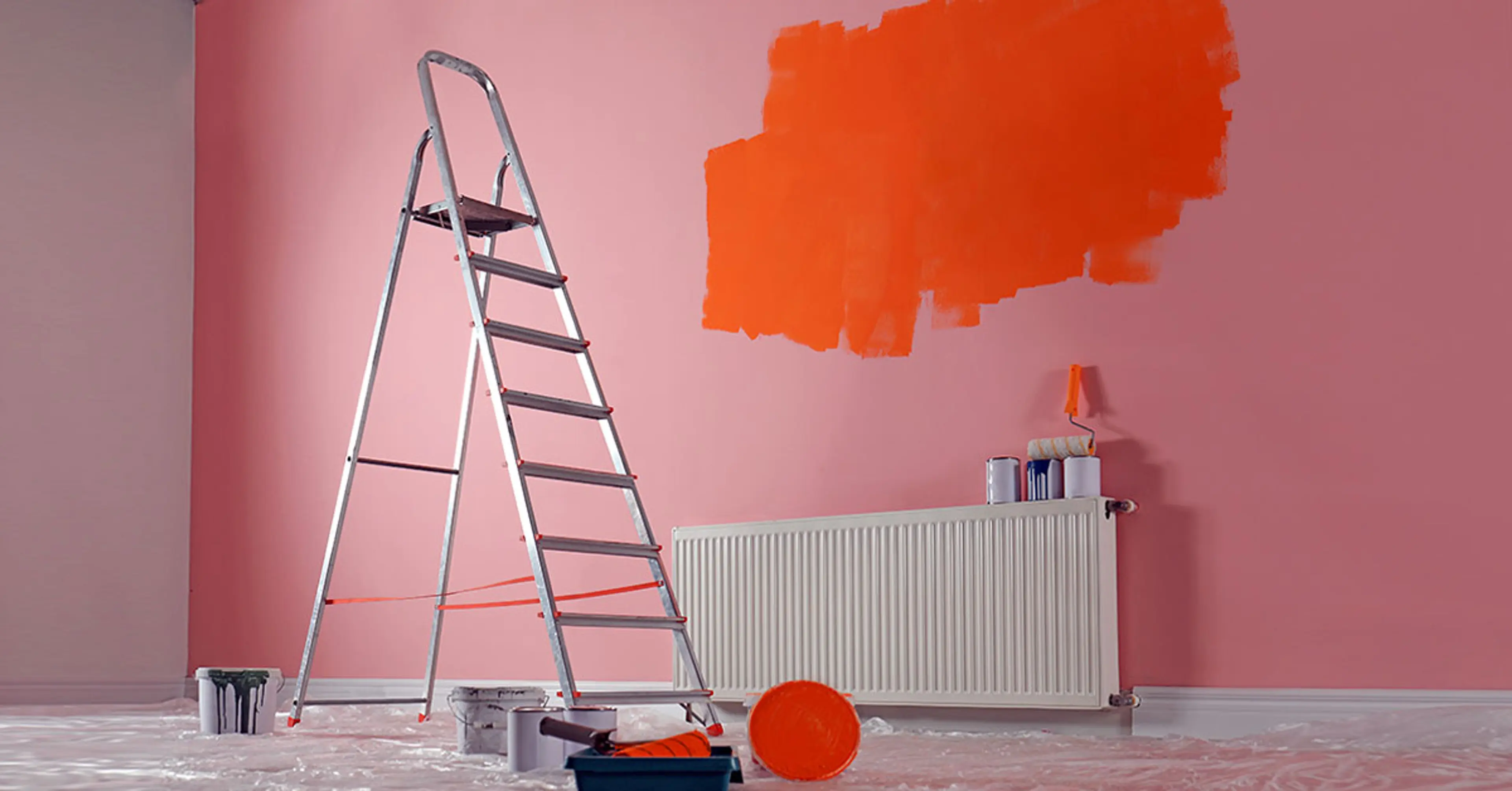
Not every paint works well in every room. Bathrooms and kitchens need moisture-resistant options, while living spaces allow more flexibility. Many people choose paint based on color alone, which leads to issues later.
The right paint choice depends on the space:
- Bathrooms need moisture-resistant finishes
- High-traffic areas benefit from washable paint colors
- Living rooms can handle smooth, low-sheen finishes
Choosing wisely now helps you avoid common painting mistakes to avoid later.
Applying Paint Too Thickly
Thick layers create more issues than they solve. Heavy coats lead to paint drips, uneven texture, and slow drying. This mistake usually happens when people overload their roller or paintbrush.
Instead, apply thin, even coats. Two thin coats of paint always look smoother and more consistent than one heavy coat.
Ignoring Proper Tape Work
Credit: hirshfields.com
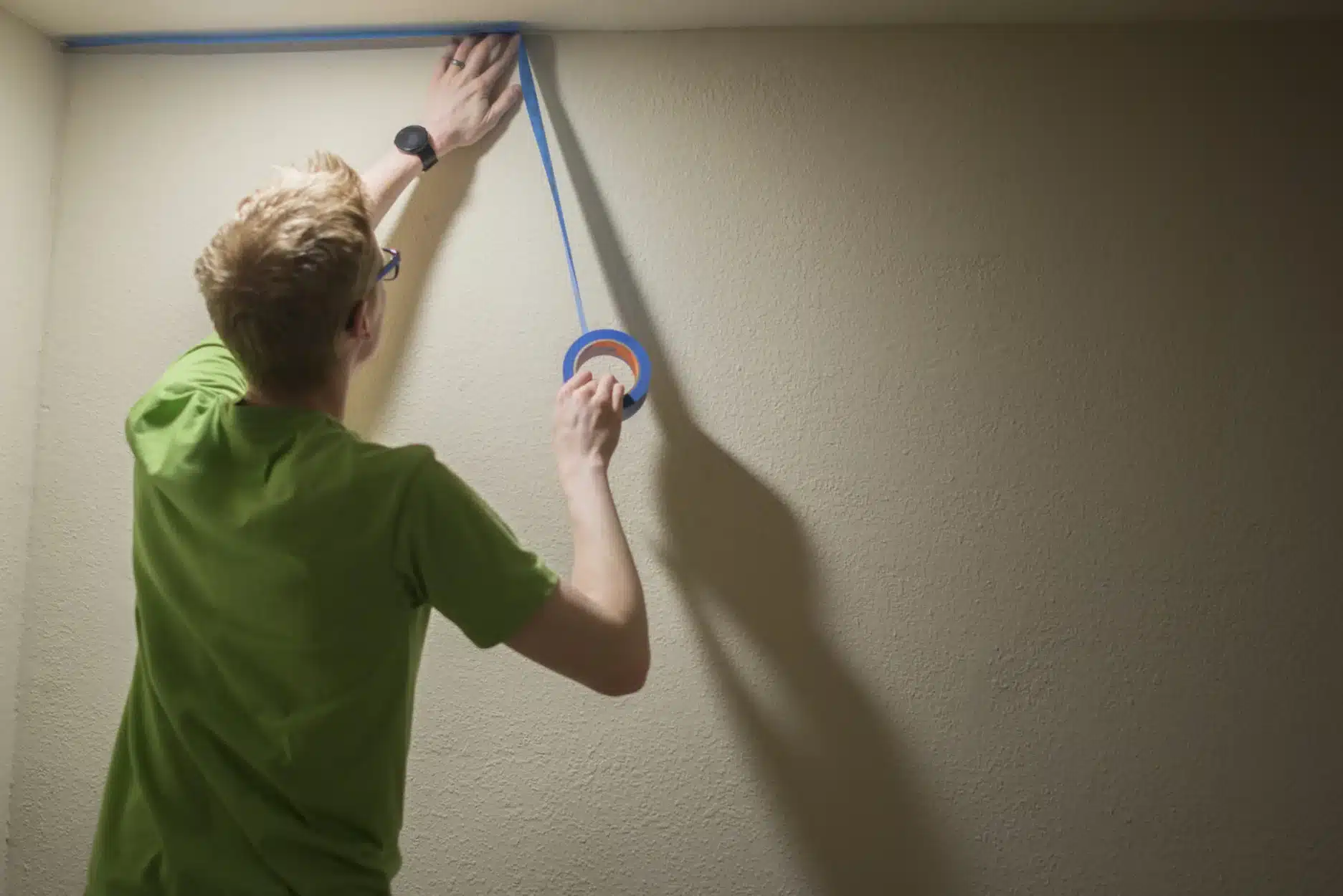
Painter’s tape helps you create clean edges and protect your trim. Many people skip this step or apply the tape loosely because they assume they can paint carefully. Sadly, even steady hands slip during long strokes.
Skipping tape leads to messy lines and more paint mistakes later.
Good tape work usually involves:
- Pressing tape firmly
- Keeping edges straight
- Removing it slowly after painting
Small details lead to cleaner, sharper lines.
Not Allowing Enough Drying Time Between Coats
Painting over wet layers is one of the biggest common painting issues people face. Rushing creates sticky texture, streaks, and patchy coverage because the layers mix.
Always follow the drying times listed on your paint can. A little patience gives you a smooth, professional finish. And if you’ve ever ignored drying time and ended up with peeling paint later, don’t worry; it happens to a lot of people. I actually break down the fixes here: how to fix peeling paint. It’s a quick guide that saves you from doing the same work twice.
Using Low-Quality Brushes and Rollers
Credit: thespruce.com
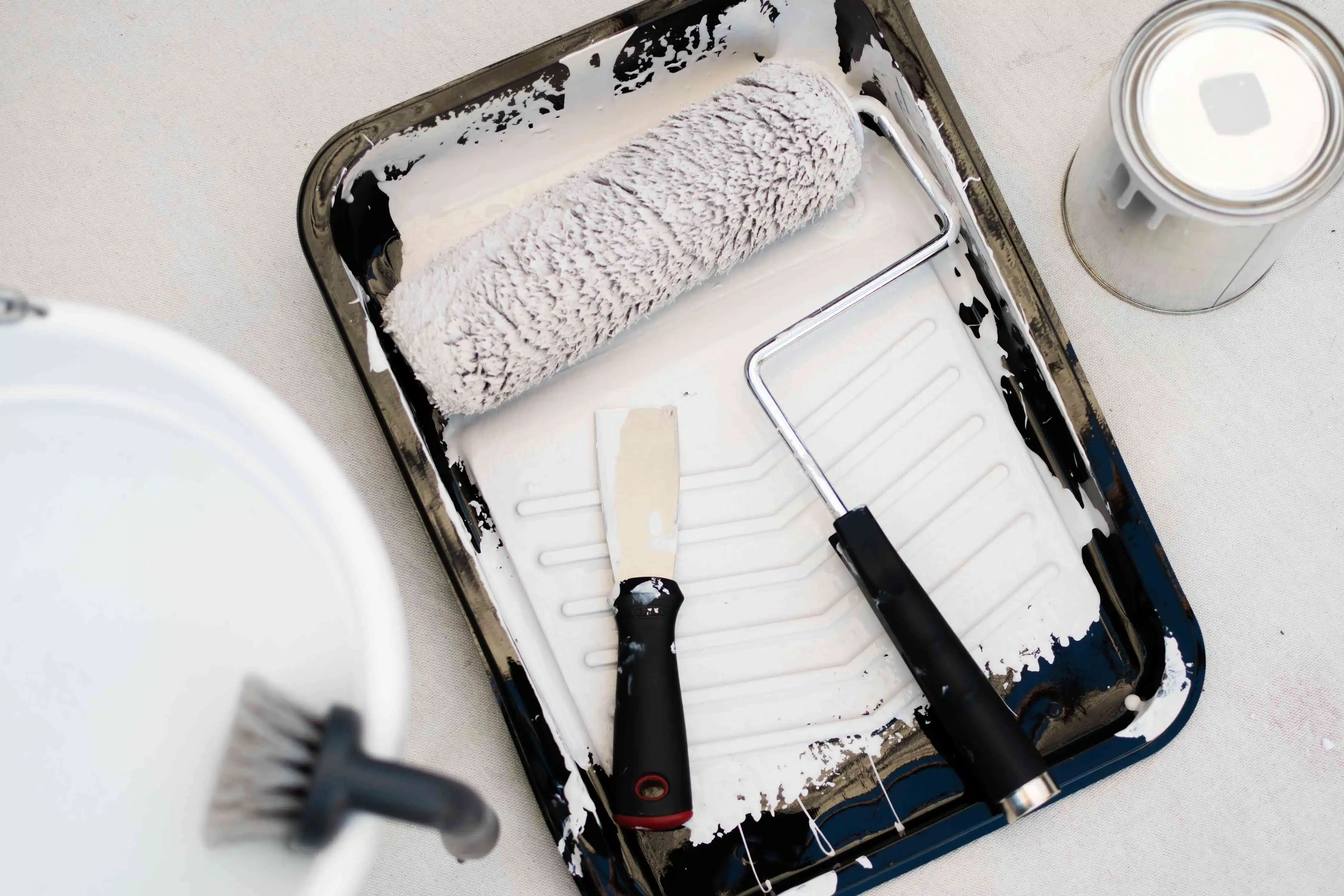
Tools matter more than people realize. Cheap brushes shed bristles, and low-quality rollers leave streaks. These issues create unnecessary bumps and lines.
Good tools give you:
- Smoother strokes
- Better coverage
- Fewer mistakes
- Faster results
Investing in good tools, and especially wall paint rollers, reduces hours of fixing paint mistakes later.
Forgetting to Stir the Paint Thoroughly
Paint settles in the can, even when it looks fine. Forgetting to stir it well leads to uneven color and changes in texture.
People often skip this step because they want to start quickly. But stirring helps maintain consistent color from beginning to end.
If you’re using white paint, proper mixing becomes even more important because small variations show more easily. While we’re on the topic of paint issues, you’ve probably seen walls bubble at some point, too. It’s surprisingly common, and I actually broke it down step-by-step here: why paint bubbles and how to fix it. You’ll be surprised how simple the fix can be.
The Role of Primer and Why It Matters
Credit: clare.com
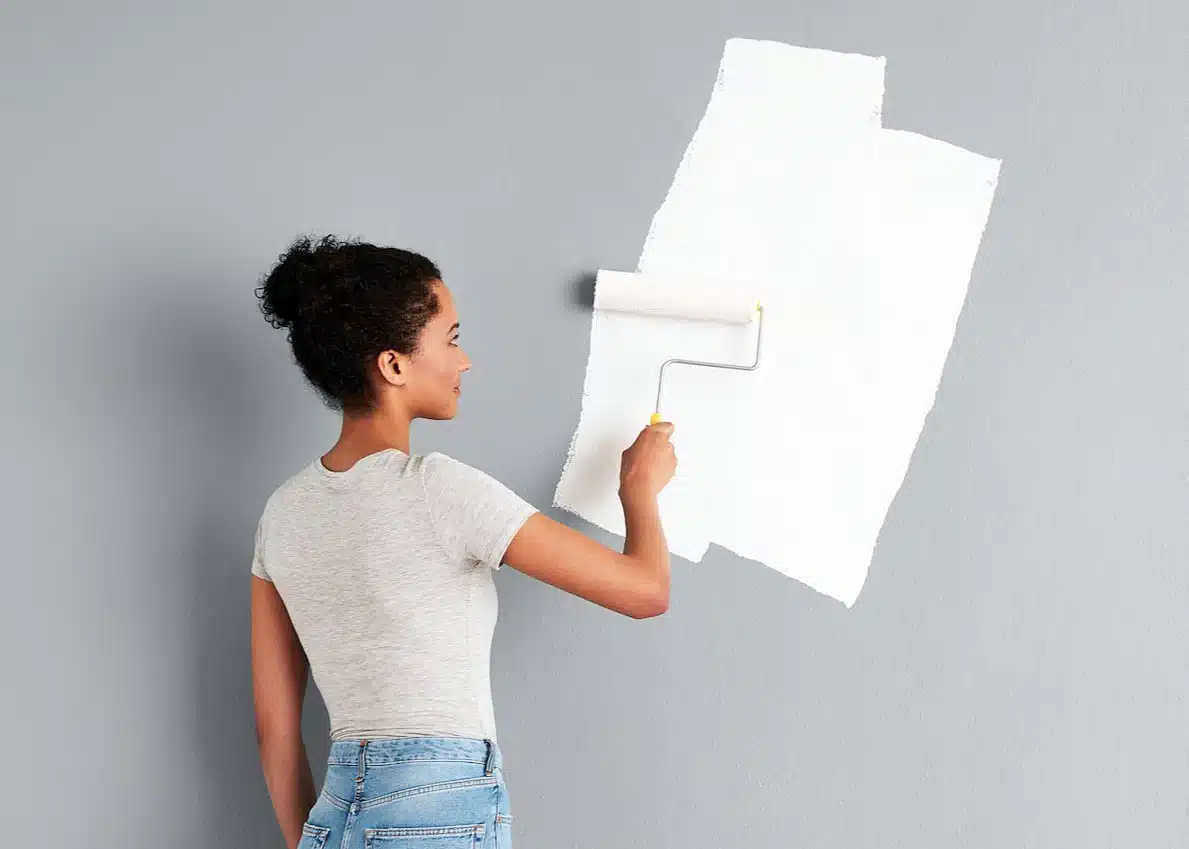
Primer creates a smooth base for your color and helps the paint bond better. It also hides stains, balances texture, and reduces the number of coats you need. Many people skip primer and then struggle with dull color or peeling later.
Primer is especially important when covering dark walls, painting new drywall, or switching from oil-based paint to latex paint. You can think of primer as the secret ingredient for a smooth, lasting finish.
How to Fix Common Painting Mistakes
Most painting errors are easy to repair once you understand what caused them.
- If you notice drips, wait for the paint to dry and sand the spot gently before repainting.
- Now, if the color looks uneven, allow the wall to dry and apply a thin coat over the entire surface.
- If bumps appear, sand the area smooth and repaint with a lighter hand.
- Moreover, if you painted onto trim or ceilings, fix it once the area dries.
- For peeling areas, scrape the loose pieces, prime the spot, and repaint.
Knowing how to correct painting mistakes can save your entire project.
Essential Tools for a Smooth Paint Job
Using the right tools reduces frustration and improves your results.
- Quality brushes create smooth edges and clean lines.
- Good rollers help you cover large areas quickly.
- Painter’s tape protects trim and creates sharp edges.
- Sandpaper smooths rough spots and helps with fixing painting mistakes.
- Drop cloths protect your floors and furniture.
- Primer gives your paint the perfect base.
- A solid paint tray keeps your paint easy to access.
The right tools turn a stressful job into a smooth and enjoyable one.
The Final Words
I think we have pinpointed the common painting mistakes by now. Painting can completely transform a room, but small mistakes make the process frustrating. With good prep, quality tools, and a little patience, you can avoid every major painting mistake discussed here. Once you understand what to avoid and how to fix issues, your painting projects become easier, smoother, and far more enjoyable.
Frequently Asked Questions
Here are some of the common questions about painting mistakes people want to know.
How many coats of paint does a typical room need?
Most rooms need two thin coats because they create even and consistent coverage.
Do I need primer every time I paint?
You don’t always need primer, but it helps when covering dark colors or new drywall.
How long should the paint dry before adding another coat?
Most paints need at least two hours of drying time, but the label gives exact guidance.
Can I paint without sanding the walls first?
You can skip sanding if the wall is smooth, but rough areas always need sanding.
How do I fix painting mistakes after the paint dries?
Most mistakes require light sanding and another thin coat, but peeling areas need priming first.
